
Understanding Sports Broadcasting
Defining Sports Broadcasting
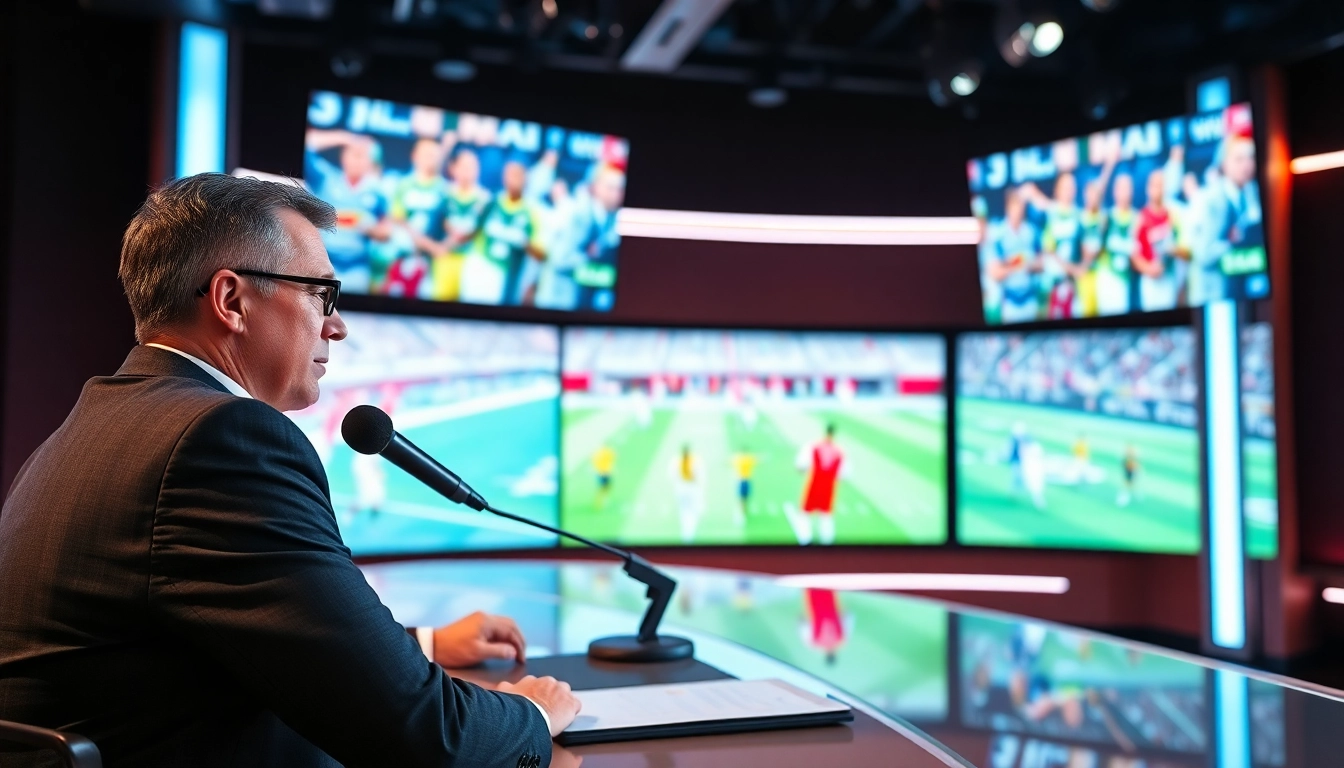
Sports broadcasting is the transmission of sporting events through radio, television, or online streaming platforms. It encompasses the creation and dissemination of audio-visual content that allows fans around the world to experience athletic competitions in real-time or recorded formats. This medium plays a critical role in bringing sports to a global audience, conducting live commentary, and facilitating access to expert analysis and engaging narratives. In recent years, the digital revolution has further evolved this field, particularly with the rise of Sports Broadcasting through online platforms and social media channels, leading to new methods of audience engagement and interaction.
The Evolution of Sports Broadcasting
The roots of sports broadcasting trace back to the early 20th century, with the first live radio broadcasts of baseball games. As technology advanced, television took center stage in the 1950s, bringing forth a new era of sports visibility. Major events became household spectacles, as millions tuned in to watch championship games and live events. By the late 20th century, cable networks expanded the offerings, providing dedicated channels that focused entirely on sports content.
In the 21st century, the introduction of the internet dramatically transformed sports broadcasting. Online platforms emerged, allowing for live streaming services that broke geographic barriers. The evolution has not only changed how content is delivered but has also shifted viewer habits, with audiences now consuming content on various devices including smart TVs, smartphones, and tablets. Future advancements, such as virtual reality and augmented reality, promise to further enhance the viewing experience.
Key Players in the Sports Broadcasting Industry
The sports broadcasting industry is a complex ecosystem comprising various stakeholders. Traditional networks such as ESPN and NBC Sports continue to dominate the landscape, alongside regional sports networks focused on local teams. In recent years, tech giants have entered the fray, leveraging their platforms for live sports streaming, with services like Amazon Prime Video and Apple TV+ securing exclusive rights to major events.
Furthermore, the rise of social media platforms has given birth to countless independent broadcasters and content creators who utilize live streaming and highlight reels to engage niche audiences. Each of these players contributes to a diverse marketplace that caters to evolving viewer preferences and consumption patterns.
Navigating Technologies in Sports Broadcasting
Essential Equipment for Effective Broadcasting
Effective sports broadcasting hinges on utilizing advanced technologies and equipment. Key components include high-definition cameras for quality visuals, professional-grade microphones for clear audio, and broadcasting software to manage live feeds and transitions. Additionally, remote production tools enable broadcasting teams to manage events from different locations, increasing flexibility and reducing costs.
Moreover, graphics software is essential for creating overlay graphics, scoreboards, and statistics to enhance viewer engagement. Investing in and maintaining these tools can significantly impact the quality and professionalism of the broadcast.
The Role of Streaming Services in Sports Broadcasting
Streaming services have fundamentally changed the way audiences access sports content. Unlike traditional television, these services offer on-demand flexibility, allowing viewers to watch games at their convenience. Subscriptions to platforms like Hulu Live, FuboTV, and YouTube TV give fans the ability to customize their viewing experiences, enabling them to follow multiple sports and teams.
This shift towards streaming has prompted content providers to innovate, offering features such as multi-angle viewing, real-time stats, and interactive features that enhance the fan experience. Consequently, sports leagues are increasingly prioritizing partnerships with streaming platforms to reach broader audiences and maximize revenue streams.
Innovations Impacting Sports Broadcasting
As the sports broadcasting landscape evolves, technological innovations are at the forefront of this transformation. Artificial intelligence (AI) and machine learning are revolutionizing sports analytics, providing deeper insights into player performance and game strategies. These advancements empower broadcasters to enrich their commentary with data-driven narratives and real-time insights.
Moreover, interactive technologies like virtual and augmented reality are enhancing viewer engagement. By implementing VR experiences, broadcasters can offer immersive viewing options, allowing fans to feel as though they are on the sidelines or part of the action. As these innovations become mainstream, they promise to redefine the boundaries of live sports consumption.
Content Creation in Sports Broadcasting
Crafting Engaging Sports Narratives
Compelling storytelling is at the heart of captivating sports broadcasting. Whether it’s a pre-game analysis, live commentary, or post-game wrap-up, narrating the human experiences, personal stories, and dramatic moments of sports enhances viewer engagement. Broadcasters should focus on delivering narratives that resonate emotionally with fans, highlighting not just the gameplay but also the passion and dedication of athletes.
Utilizing techniques like character development, thematic arcs, and dramatic tension can enrich the broadcast, creating moments that audiences remember long after the event concludes. Engaged viewers are more likely to follow their teams passionately and become loyal fans, contributing to increased viewership and brand loyalty.
Importance of Research and Preparation
Thorough research and preparation are crucial for effective sports broadcasting. Broadcasters must stay informed about team statistics, player rosters, coaching strategies, and game-day conditions to provide context and depth during coverage. Conducting interviews and gathering exclusive insights enhances the authenticity of the commentary.
Pre-game meetings and strategy sessions among the broadcasting team can help outline key talking points and develop cohesive narratives. Ultimately, an informed and prepared broadcasting team elevates the audience’s viewing experience and contributes profoundly to the sports community.
Utilizing Social Media in Sports Broadcasting
Social media has become an integral part of the sports broadcasting ecosystem, offering a platform for real-time interaction and fan engagement. Broadcasters leverage platforms like Twitter, Instagram, and TikTok to share highlights, conduct live Q&A sessions, and foster discussions among fans. This approach not only enhances viewer loyalty but also expands viewership by attracting a younger demographic who consume content primarily on social platforms.
Engaging with fans through social media allows broadcasters to establish a community around their content, offering exclusive behind-the-scenes looks and promoting upcoming features. The interplay between traditional broadcasting and social media creates a richer narrative around sports and forms lasting connections with audiences.
Audience Engagement Strategies
Understanding Your Viewers
An essential aspect of successful sports broadcasting lies in understanding the audience. This involves analyzing viewer demographics, preferences, and social behaviors to create tailored content that resonates with specific segments. Employing analytics tools to measure viewership patterns, engagement levels, and feedback helps broadcasters adjust their strategies effectively.
By acknowledging audience preferences, sports broadcasters can foster more significant connections, ultimately leading to enhanced loyalty and increased ratings for specific events. Activating audience participation through polls, contests, and interactive live chats can create a community experience that captivates viewers.
Interactive Features in Sports Broadcasting
The integration of interactive features transforms passive viewership into active participation. Live polls, in-game trivia, and fantasy sports integration allow fans to engage in real-time discussions and decisions. Incorporating these interactive features into broadcasts can increase viewership retention, as engaged audiences are more likely to stay tuned for the entirety of the event.
Furthermore, utilizing second-screen experiences, where viewers are encouraged to use their mobile devices for additional content while watching, can enhance the overall experience. This interaction leads to a richer, more multifaceted engagement with the sports being showcased.
Feedback Mechanisms for Continuous Improvement
To enhance the quality of sports broadcasting, implementing feedback mechanisms is vital. Fan feedback collected through surveys, social media, and focus groups provides invaluable insights into viewer preferences and expectations. This information can direct content adjustments, format changes, and the introduction of new features that align with audience desires.
Additionally, monitoring analytics such as view counts, engagement rates, and retention metrics enables broadcasters to adapt and evolve their strategies in real time. By fostering a culture of continuous improvement through feedback, sports broadcasters can remain relevant and effectively cater to their target audiences.
Future Trends in Sports Broadcasting
Emerging Technologies Shaping the Future
The future of sports broadcasting is closely linked to emerging technologies. The continued development of AI and machine learning will lead to enhanced storytelling capabilities and predictive analytics, allowing broadcasters to inform audiences not only about past performances but also about potential future outcomes.
Additionally, advancements in 5G technology will enable faster and more reliable streaming of high-definition content, reducing latency and enhancing the viewing experience for fans worldwide. These technologies will set the stage for a new standard of sports broadcasting that prioritizes quality and engagement.
Potential Changes in Audience Behavior
As technology advances, audience behaviors are concurrently changing. Younger generations favor personalized, on-demand content over traditional broadcasting. Shifts toward short-form content consumption on platforms like TikTok and Instagram indicate a need for broadcasters to adapt their offerings and explore innovative formats that align with evolving viewer preferences.
Moreover, increased focus on social justice and global issues among younger audiences could influence broadcasting narratives, driving content that aligns with viewers’ values. Understanding and anticipating these behavioral shifts is vital for long-term success in the landscape of sports broadcasting.
Strategies for Adapting to Industry Changes
To navigate the dynamic landscape of sports broadcasting, organizations must adopt agile strategies. This involves embracing innovative technologies and training staff to implement these platforms effectively. Broadcasters can also explore partnerships and collaborations with tech companies to leverage synergies for content delivery.
Maintaining a finger on the pulse of audience trends and continually soliciting viewer feedback will fortify responsiveness to market changes. By proactively adapting to industry shifts and focusing on innovation, sports broadcasters can secure their place in the future of sports media.
FAQs
What is sports broadcasting?
Sports broadcasting is the live transmission of sports events through radio, television, or online platforms, allowing fans to experience athletic competitions in real-time and through analysis.
How has technology changed sports broadcasting?
Technology has transformed sports broadcasting by enabling live streaming, interactive features, and advanced analytics, offering fans enhanced viewing experiences and personal engagement.
What are the main channels for sports broadcasting today?
Main channels include traditional television networks, cable channels, and streaming services like Hulu Live and YouTube TV, as well as social media platforms for content sharing.
How do broadcasters engage with audiences?
Broadcasters engage with audiences through social media, polls, interactive features, and feedback mechanisms, creating an interactive viewing experience that fosters community.
What trends are shaping the future of sports broadcasting?
Emerging technologies like AI, VR, and 5G internet, along with shifts in audience behavior towards personalized content, are defining the future of sports broadcasting.